3D Paper Art Flowers with Textured Backg
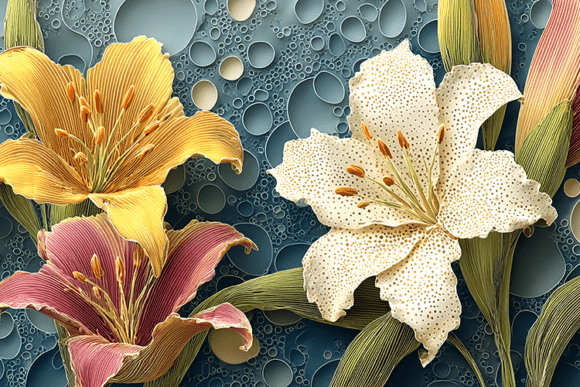
There is a distinct charm in the tactile nature of paper art that digital graphics often struggle to replicate. When you look at 3D Paper Art Flowers with Textured Backg, you aren’t just seeing a flat image; you are witnessing a simulation of depth, shadow, and materiality that feels surprisingly organic. This specific artwork, rendered at a high resolution of 5824 x 3264 pixels, captures the delicate interplay of light on layered petals against a richly textured backdrop. For designers, hobbyists, and interior enthusiasts, this isn't merely a picture of flowers—it is a versatile asset that bridges the gap between traditional craftsmanship and modern digital production.
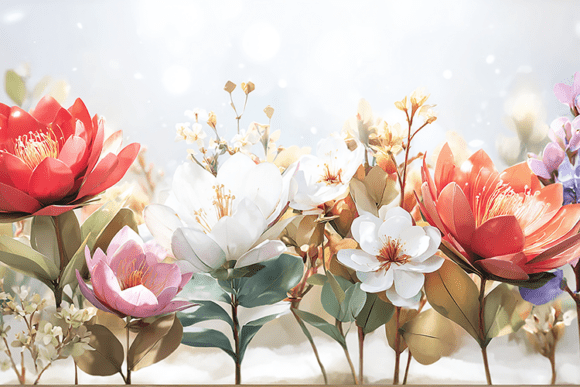
The visual composition features lilies in soft yellow, cream, and pink hues. These colors are chosen not just for their aesthetic appeal but for their ability to evoke a sense of calm and luxury. The intricate paper-cut style mimics the precision of hand-cutting, while the lifelike detailing ensures that the subject remains engaging even when viewed up close. Whether you are looking to elevate a home decor project or add a touch of elegance to a brand identity, understanding how to leverage this type of imagery can transform ordinary designs into something extraordinary.
Why Texture Matters in Digital Design
In an era where screens dominate our visual experience, texture has become a crucial element in design. It provides a sensory anchor, giving viewers a subconscious cue about the quality and authenticity of the content. A plain white background might make a flower pop, but a textured background adds context, history, and weight to the image. It suggests that the object exists in a physical space, rather than floating in a void.
This particular file excels because it combines the crispness of vector-like clarity with the warmth of analog materials. The textured background serves as a canvas that grounds the floral elements, preventing them from feeling too sterile or overly digital. For professionals working in branding or packaging, this distinction is vital. Consumers are increasingly drawn to brands that feel "human" and "crafted," even if those products are mass-produced. Using imagery that reflects these qualities helps build an emotional connection before the customer ever touches the product.
Real-World Applications for Interior Designers
One of the most immediate and impactful uses for this artwork is in interior design visualization. Large-scale wall art is a powerful tool for setting the tone of a room. Because the file is print-ready and high-resolution, it scales beautifully without losing detail. Imagine a living room with neutral tones—beige walls, cream sofas, and wooden accents. Placing a large print of these 3D paper lilies on a feature wall introduces a splash of color that feels sophisticated rather than loud.
The soft yellow and pink hues are particularly effective in spaces intended for relaxation, such as bedrooms or spas. They mimic natural sunlight filtering through petals, creating a warm and inviting atmosphere. Furthermore, the textured background allows the artwork to blend seamlessly with various wall finishes, whether they are painted drywall, textured plaster, or even wallpaper. Designers can use this image as a mockup to show clients how a piece of art will interact with the existing textures in a room, providing a realistic preview of the final result.
Elevating Stationery and Brand Identity
If you are running a small business, especially in the wedding, beauty, or lifestyle sectors, your stationery needs to communicate quality. Business cards, invitation suites, and thank-you notes are often the first physical touchpoints a client has with your brand. A standard photograph of flowers might feel generic, but a 3D paper art illustration feels curated and intentional.
Consider a wedding planner designing an invitation suite. The intricate details of the paper-cut lilies suggest attention to detail—a trait highly valued by couples planning their special day. The cream and pink palette offers a classic, timeless look that pairs well with gold foil stamping or embossed lettering. The high resolution ensures that when the invitations are printed, the edges of the petals remain sharp, and the texture of the background is visible enough to add depth without distracting from the text.
Similarly, cosmetic brands often seek imagery that conveys purity and natural ingredients. The organic shapes of the lilies, combined with the earthy tones of the textured background, align perfectly with clean beauty marketing. It suggests that the product inside the bottle is crafted with care, much like the artwork itself.
Textile and Pattern Design Opportunities
While the image is striking as a standalone piece, its versatility extends to fabric and pattern design. The repeating potential of floral motifs makes it an excellent candidate for textile applications. However, because this is a detailed 3D composition, it works best as a focal point in a larger pattern or as a repeated motif on high-end fabrics like silk or linen.
Fashion designers might use this imagery to create prints for spring collections, where soft florals are in vogue. The textured background can be adjusted in opacity or blended with other elements to create unique variations for different garments. From scarves to dress fabrics, the ability to translate this digital artwork into physical textiles allows creators to bring the warmth of paper art into wearable form. The key here is to experiment with scale and colorways, perhaps shifting the yellow lilies to coral or the background to a deep navy, to see how the mood changes while retaining the structural integrity of the design.
Practical Considerations for Usage
Before incorporating 3D Paper Art Flowers with Textured Backg into your projects, there are a few practical aspects to keep in mind. First, consider the printing medium. While the file is high-quality JPG, the perceived texture may vary depending on the paper stock used. Matte or uncoated papers tend to enhance the "paper art" feel, whereas glossy finishes might make the image look more like a photograph. Testing a small proof print is always recommended to ensure the colors translate accurately to your chosen material.
Second, think about the context of display. If you are using this for digital purposes, such as website headers or social media posts, the aspect ratio of 5824 x 3264 pixels (roughly 16:9) is ideal for widescreen formats. However, for square formats like Instagram posts, you may need to crop the image carefully to maintain the focus on the central floral arrangement. The intricate details are best appreciated when there is enough negative space around the subject, so avoid overcrowding the layout with excessive text or other graphical elements.
Finally, remember that while this is a digital file, its strength lies in its ability to evoke a physical sensation. Use it in ways that encourage the viewer to imagine the texture—the roughness of the paper, the smoothness of the petals. By focusing on the sensory experience rather than just the visual appearance, you can create designs that resonate more deeply with your audience. Whether you are decorating a home, launching a new product line, or simply sharing creative inspiration, this artwork offers a refined and elegant solution that stands out in a crowded digital landscape.